Insulation Coordination Study
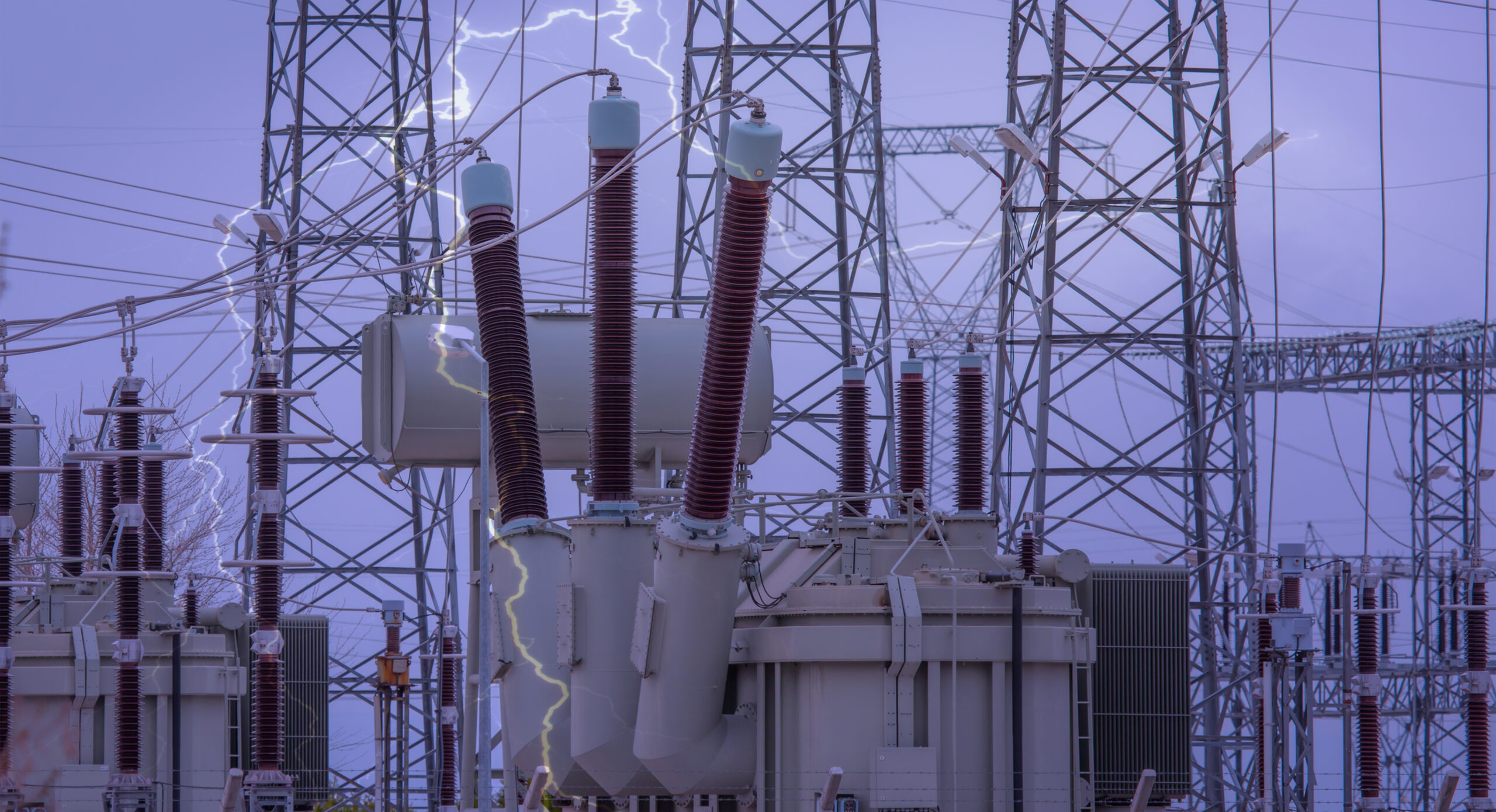
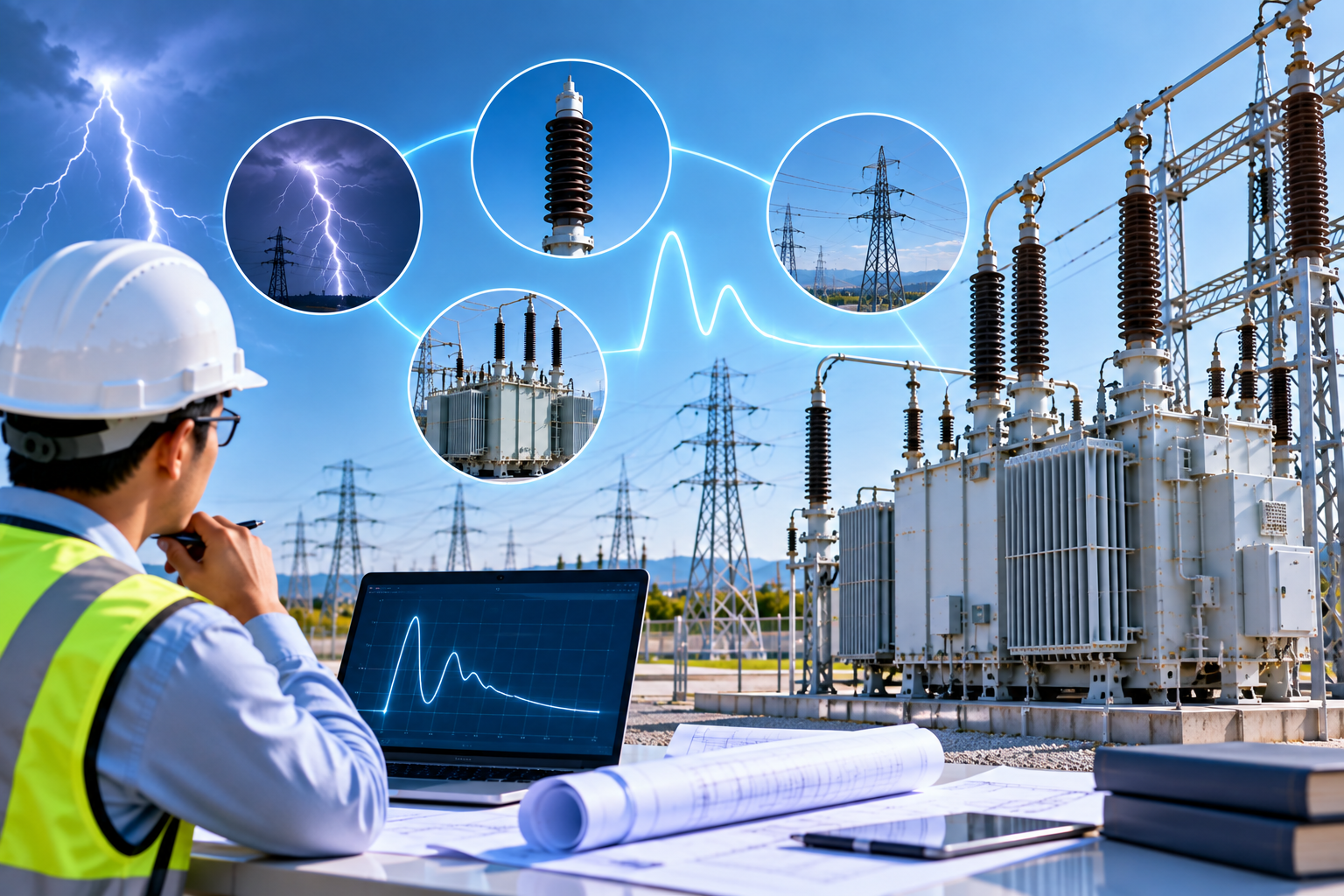
Insulation Coordination Study for substations, power plants, transmission networks, renewable energy facilities, and industrial electrical systems. Insulation coordination study is a critical part of power system design that ensures electrical equipment insulation can withstand overvoltages caused by lightning strikes, switching operations, and temporary system disturbances.
Our engineers perform detailed overvoltage analysis, surge protection evaluation, and surge arrester coordination in accordance with international standards such as IEC 60071 and IEEE guidelines.
By performing insulation coordination, power utilities and industries can ensure reliable operation, prevent insulation failure, and protect high-value equipment from electrical surges.
What is Insulation Coordination?
Insulation Coordination determines the required insulation levels of electrical equipment and ensures that surge protective devices such as surge arresters operate effectively to protect equipment from damaging overvoltages.
The study evaluates the relationship between:
-
System overvoltages
-
Equipment insulation strength
-
Protective device characteristics
The objective is to maintain an optimal margin between equipment insulation withstand levels and expected overvoltage stresses.
Proper insulation coordination helps avoid equipment failures, flashovers, and costly outages in electrical power systems.
Latest Projects: Insulation coordination study
Check out our latest power system study projects around the world


Objective of Insulation Coordination Study
The main objectives of insulation coordination analysis include:
• Protection of electrical equipment from lightning and switching surges
• Determination of required insulation levels for power system equipment
• Selection and coordination of surge arresters
• Evaluation of temporary overvoltages (TOV)
• Ensuring safe insulation margins between equipment and surge levels
• Improving reliability and safety of electrical networks
This study is particularly important for high-voltage and extra-high-voltage systems.
Scope of Insulation Coordination Study
A comprehensive insulation coordination study typically includes the following analyses.
Temporary Overvoltage (TOV) Analysis
Temporary overvoltages occur due to system disturbances such as:
-
Load rejection
-
Ground faults
-
Ferroresonance
-
Neutral displacement
The study evaluates the magnitude and duration of temporary overvoltages to ensure that equipment insulation and surge arresters can withstand these conditions.
Lightning Surge Analysis
Lightning strikes on transmission lines or nearby structures can produce extremely high overvoltages.
Lightning surge analysis evaluates:
-
Lightning impulse overvoltage levels
-
Insulation withstand capability
-
Protection provided by surge arresters
This ensures that substations and power system equipment are adequately protected from lightning surges.
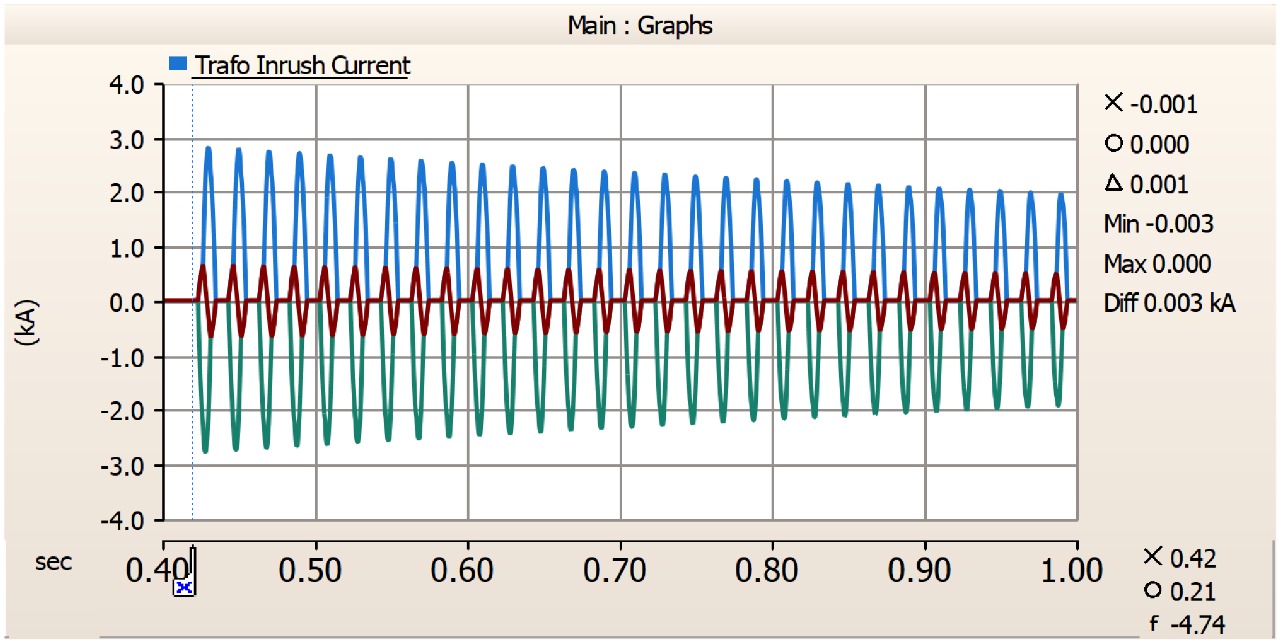
Switching Surge Analysis
Switching operations such as:
-
Circuit breaker switching
-
Line energization
-
Capacitor bank switching
-
Transformer energization
can produce significant transient overvoltages.
Switching surge analysis ensures that these switching events do not exceed insulation withstand limits.
Surge Arrester Selection and Coordination
Surge arresters are the primary protective devices used to limit overvoltages in power systems.
The insulation coordination study determines:
-
Optimum surge arrester ratings
-
Surge arrester placement
-
Protection margins between equipment insulation and surge levels
Proper surge arrester coordination ensures maximum protection of critical electrical equipment.
Standards Followed for Insulation Coordination
Our insulation coordination studies follow internationally recognized standards including:
• IEC 60071 – Insulation Coordination
• IEC 60099 – Surge Arresters
• IEEE Standards for Overvoltage Protection
• CIGRE Technical Guidelines
These standards define insulation levels, overvoltage characteristics, and protective device coordination requirements for power systems.
Software Tools Used
Power Projects uses advanced power system simulation tools for performing insulation coordination analysis.
Commonly used engineering software includes:
• PSCAD / EMTDC
• EMTP-RV
• DIgSILENT PowerFactory
• ETAP
These tools enable detailed simulation of electromagnetic transients, switching surges, and lightning surges in electrical networks.
Applications of Insulation Coordination Study
Insulation coordination studies are required in various power system projects.
Electrical Substations
Substations require proper insulation coordination to protect:
-
Transformers
-
Circuit breakers
-
Instrument transformers
-
Busbars
from overvoltage stresses.
Power Plants
Thermal, hydro, and nuclear power plants require insulation coordination to ensure reliable operation of high-voltage equipment connected to the grid.
Renewable Energy Projects
Solar and wind power plants require insulation coordination studies for:
-
Grid interconnection systems
-
Collector substations
-
Transmission lines
to ensure reliable integration with the power grid.
Industrial Power Systems
Large industrial facilities often operate their own substations and high-voltage networks.
Insulation coordination studies help protect industrial electrical equipment from surge damage and system disturbances.
Deliverables of Insulation Coordination Study
Power Projects provides comprehensive engineering documentation including:
• Overvoltage analysis reports
• Temporary overvoltage evaluation
• Lightning surge analysis results
• Switching surge analysis results
• Surge arrester selection and rating calculations
• Insulation level verification
• Detailed simulation reports
• Engineering recommendations for surge protection
These deliverables support project design, engineering approval, and system protection implementation.
Prestigious Customers