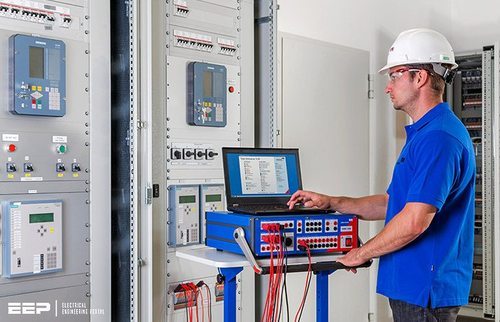
Third Party Protection Audit Services
Third Party Protection Audit ensures that electrical protection systems operate reliably and safely across power networks. Electrical protection systems are critical for detecting faults such as short circuits and isolating affected sections quickly to prevent system failure. If protection systems do not function correctly, it can lead to equipment damage, grid disturbances, extended outages, and serious safety risks.
Protection schemes are initially designed during commissioning based on system parameters. However, network conditions often change over time due to plant expansion, addition of feeders, system modifications, or integration of renewable energy sources. An Electrical System Protection Audit verifies that installed protection schemes are properly configured, well-coordinated, and fully compliant with grid authority requirements.
Power Projects provides independent Third Party Protection Audit services for substations, switchyards, power plants, and industrial electrical networks.
Third Party Protection Audit
A Third Party Protection Audit is an independent technical evaluation of the electrical protection system.
The objective of the audit is to confirm that protection relays and tripping schemes operate correctly during fault conditions and maintain coordination with upstream and downstream protection devices.
The audit focuses on:
- Verification of relay settings
- Review of protection schemes and tripping logic
- Evaluation of protection coordination
- Compliance with grid authority guidelines
Independent protection audits are often required before grid synchronization or commissioning of substations and power plants.
Third Party Protection Audit for Substations and Switchyards
Protection audits are commonly required for high voltage substations and renewable energy evacuation substations.
Typical installations include:
- 400 kV switchyards
- 230 kV substations
- 220 kV substations
- 132 kV switchyards
- 230/33 kV pooling substations
- 132/33 kV substations
The audit evaluates protection schemes associated with transmission lines, transformers, busbars, and feeders.
Protection Audit for Power Plants
Protection Audit as per RPC and RLDC Guidelines
Electrical protection systems connected to the transmission network must comply with grid protection standards.
- Protection audits may be required as per guidelines from:
- Southern Regional Power Committee (SRPC)
- Western Regional Power Committee (WRPC)
- Northern Regional Power Committee (NRPC)
- Eastern Regional Power Committee (ERPC)
- North Eastern Regional Power Committee (NERPC)
Operational coordination is handled by the Regional Load Dispatch Centres:
- SRLDC
- WRLDC
- NRLDC
- ERLDC
- NERLDC
These authorities ensure that protection systems connected to the grid meet reliability and security requirements.
Applicable Standards and Guidelines
Protection audits are carried out in accordance with applicable standards and regulatory requirements including:
- CEA Technical Standards for Connectivity to the Grid
- CEA Technical Standards for Construction of Electrical Plants and Electric Lines
- Indian Electricity Grid Code (IEGC)
- Regional Power Committee protection coordination guidelines
- Utility protection philosophy requirements
- IEEE and IEC protection standards
These standards ensure proper coordination and reliable operation of protection systems across interconnected networks.
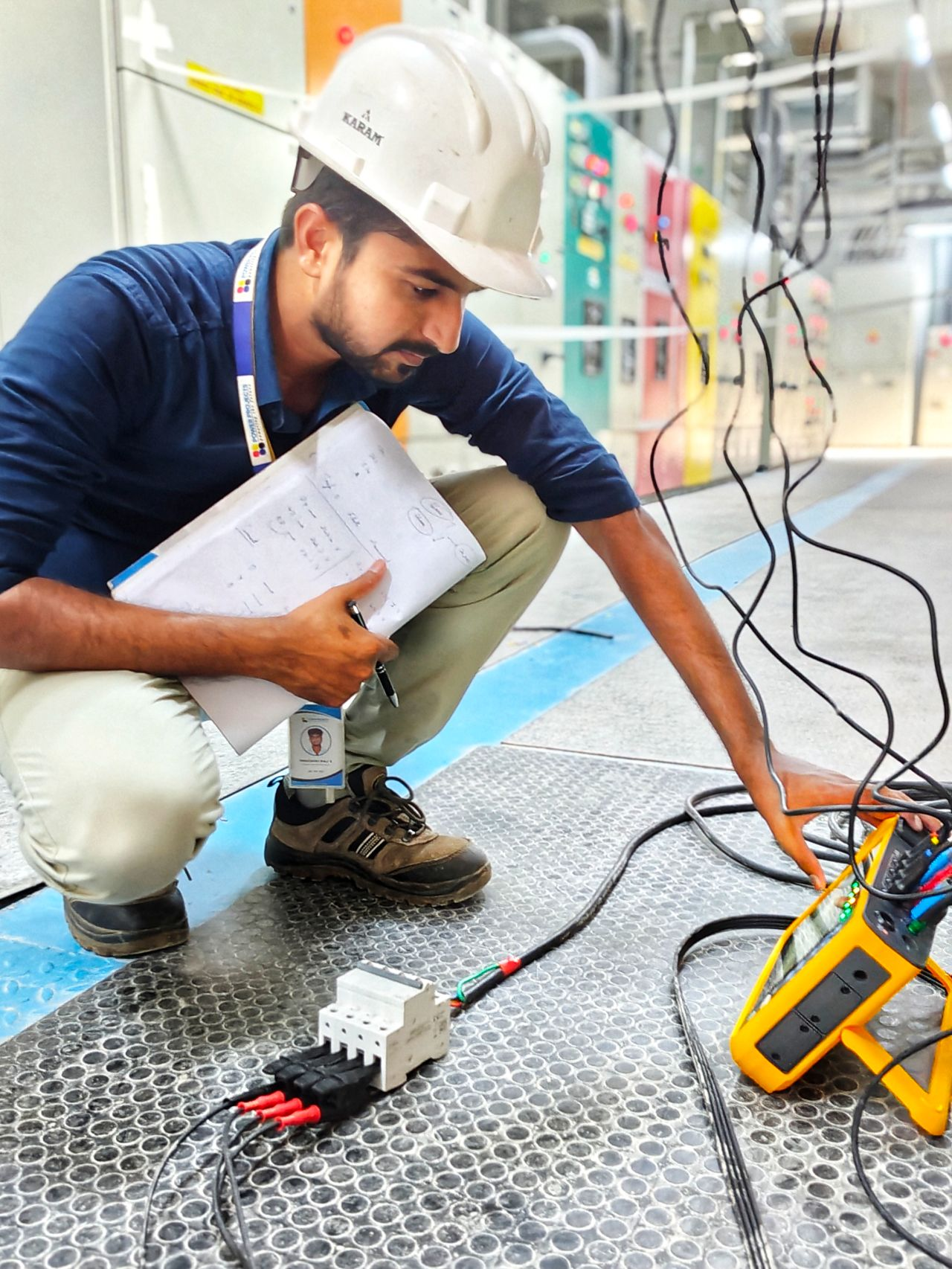
Scope of Third Party Protection Audit
The protection audit includes technical review of the protection system implemented in substations or power plants.
Typical activities include:
- Review of Single Line Diagram and system configuration
- Review of protection philosophy and protection schemes
- Verification of relay settings and coordination
- Review of transmission line protection schemes
- Review of transformer differential protection schemes
- Review of busbar protection schemes
- Verification of feeder protection coordination
- Verification of CT and VT parameters used for protection
- Review of tripping logic and breaker failure protection
- Identification of protection gaps or miscoordination
Recommendations are provided to improve protection reliability and system security.
Power System Studies Supporting the Audit
Protection audits may require supporting system studies including:
- Short circuit analysis
- Protection coordination study
- Relay setting verification
- Fault level analysis
These studies confirm that protection devices operate correctly during different fault conditions.
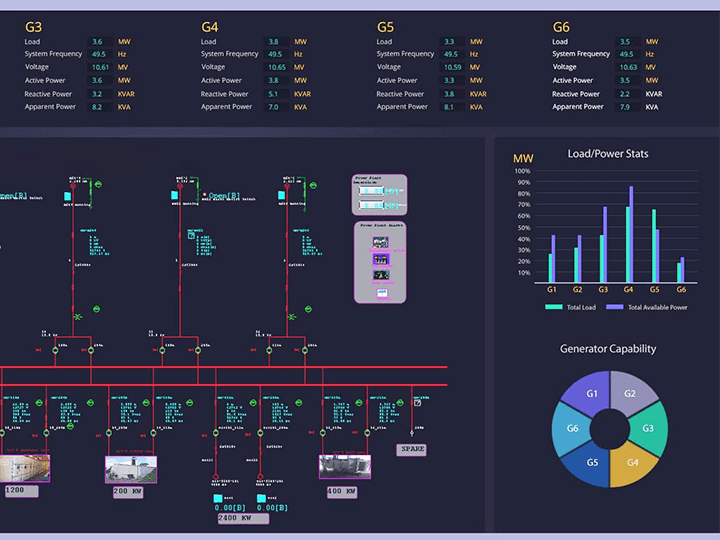
Software Tools Used For Protection Audit
Protection audits are performed using ETAP for detailed modelling and analysis of electrical power systems.
ETAP allows accurate simulation of the electrical network and verification of protection system performance under different operating and fault conditions.
Typical analyses performed using ETAP include:
- Electrical network modelling based on the substation Single Line Diagram
• Short circuit analysis for fault level verification
• Protection coordination studies
• Relay setting verification
• Time current coordination curve analysis
• Fault scenario simulations
Using ETAP, the protection system can be evaluated to ensure correct relay operation, proper coordination between protection devices, and reliable fault isolation within the electrical network.
Deliverables
- Protection audit report
- Observations on protection system issues
- Relay setting verification results
- Protection coordination curves
- Recommended modifications to relay settings
- Compliance verification with grid authority guidelines
Prestigious Customers