
Power System Transient Stability
Power system transient stability services for utilities, industrial facilities, renewable energy projects, and grid-connected systems. Our engineering team performs detailed dynamic simulations to analyze system performance during disturbances and ensure stable operation under critical conditions.
As modern electrical grids continue integrating solar power plants, wind farms, and Battery Energy Storage Systems (BESS), maintaining power system transient stability has become essential for reliable and secure grid operation.
What is Power System Transient Stability?
Power system transient stability refers to the ability of an electrical power system to maintain synchronism and recover stable operation after experiencing a severe disturbance. These disturbances may include transmission faults, generator outages, sudden load changes, switching events, or renewable generation fluctuations.
Transient stability primarily examines the system response during the first few seconds following a disturbance. During this period, generator rotor angles, voltage profiles, and system frequency may change rapidly. A transient stability study determines whether the system returns to normal operation or moves toward instability.
Understanding power system transient stability is essential to prevent widespread outages and maintain continuous electrical supply.
Latest Projects
Check out our latest power system study projects around the world

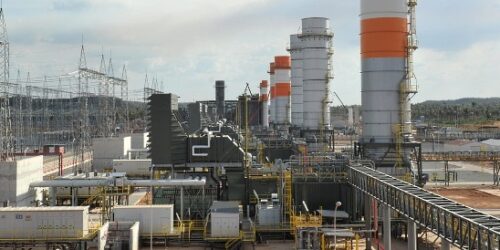
Importance of Power System Transient Stability
Objectives of Power System Transient Stability Studies
Evaluate Generator Stability
Analyze whether generators remain synchronized after disturbances.
Determine Critical Clearing Time
Calculate maximum fault clearing duration before instability occurs.
Analyze Dynamic System Response
Study frequency changes, rotor angle swings, power oscillations, and voltage recovery.
Verify Protection Performance
Assess relay and circuit breaker operation under dynamic conditions.
Support Renewable Energy Integration
Evaluate the impact of solar PV, wind energy, and BESS systems on stability.
Achieve Grid Compliance
Support utility and transmission operator requirements.
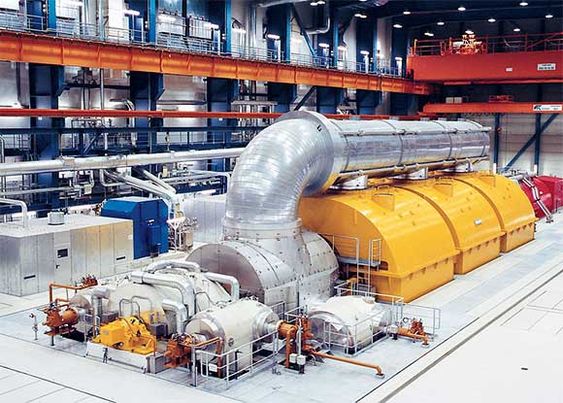
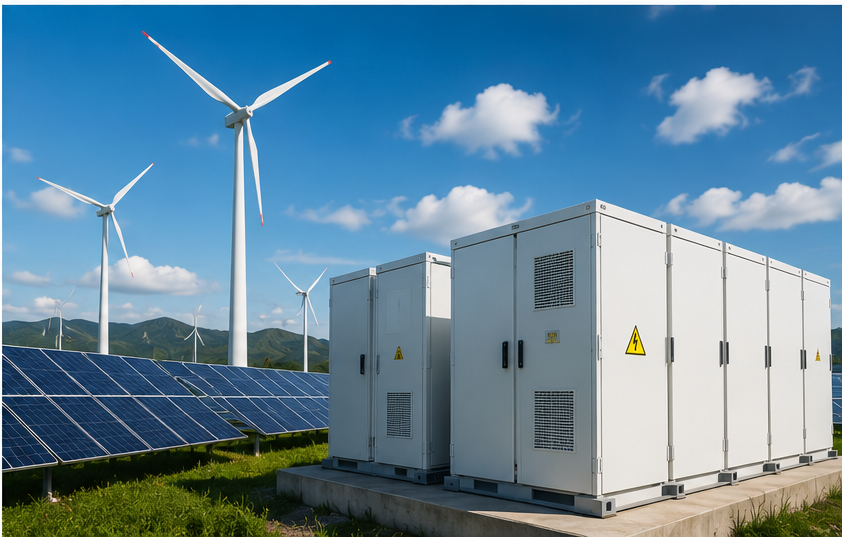
Key Factors Affecting Power System Transient Stability
Several parameters influence transient system performance:
- Generator inertia constants
- System loading conditions
- Transmission network strength
- Fault clearing time
- Protection system response
- AVR characteristics
- Governor performance
- Renewable penetration levels
- BESS control response
- Grid operating conditions
Software Used for Transient Stability Studies
Power Project uses advanced software platforms including:
- ETAP
- PSS®E
- PSCAD
- DIgSILENT PowerFactory
- SKM Power Tools
- EasyPower
- EMTP-RV
REFERENCE
- IEEE Std 399-1997 IEEE Recommended Practice for Industrial and Commercial Power Systems Analysis
- Power System Stability and Control” by Prabha Kundur
Prestigious Customers